Anna Tobias: my career in five dishes

In a city drawn to culinary novelty, Anna Tobias has taken a different course. Christy Spring talks to the chef-owner of Café Deco in Bloomsbury about the five dishes that have shaped her career

“I don’t want to annoy people, but a schnitzel doesn’t need a fried egg and an anchovy on top to be delicious. You can leave it as it is.”

It’s a line that neatly summarises my conversation with Anna Tobias about her restaurant, Café Deco. In a city hooked on restaurant novelty – tuna ceremonies, cappuccino noodles, Michelin-starred chips – what Tobias hoped to achieve with her first solo venture is the opposite.

“There’s a great Elizabeth David essay called Letting Well Alone, about our inability to be satisfied with dishes as they are. The goal for Café Deco is to make food without all these unnecessary extras we’re tempted to add,” she says.

In the case of Café Deco, it’s not about producing institutional or austere food but embracing simplicity and tradition with open arms. “I really back classic, gentle food and place a high level of importance on the ingredients,” Tobias says. “You’ve got to build trust in your diners. In Europe, they’re much more comfortable with tradition – listing a dish plainly and leaving it at that, like borsch or dumplings. In the UK we’re self-conscious about our menus. I want people to come to Café Deco for a bowl of stew and trust that it will be good.”

With no hiding behind a jacket of hot honey or chilli crisp pangrattato, this kind of radical simplicity in the kitchen leaves you exposed. Tobias’ confidence in such unadorned cooking comes from training in some of London’s most exacting kitchens. First, under Jeremy Lee at the Blueprint Café in the cold starters and pastry section, instilling the importance of pudding as “more than an afterthought of panna cotta and tiramisu”. She then moved to The River Café, which she praises for fostering a positive sense of competitiveness among chefs, where young staff were diligently trained in filleting fish, butchering meat, and cooking vegetables with care.

It wasn’t until she stepped into a head chef role at Rochelle Canteen that Tobias really started to find her voice. “Margot gives her head chefs a huge amount of freedom,” she says. “It allowed me to write menus and find my own voice.” The experience also taught her something less technical. “Margot taught me how to feed people, host and be generous.”

Her path into professional kitchens wasn’t written in the stars. Tobias studied modern languages at Oxford University and assumed she would become a teacher. “By the end of my studies, I wasn’t totally sure what I wanted to do,” she says. Cooking, meanwhile, had begun to occupy more space. “I thought, why not see if this thing I love doing in my spare time could translate into work? I was young, and I had a degree to fall back on.” The transition took its toll on the body. “I’d gone from something entirely mental – reading and writing essays – to something much more physical,” she says. “I remember being so tired. Your body has to build resilience.”

After a residency at P. Franco, Tobias opened Café Deco in late 2020 – timing she describes as “incredibly awful.” Its first months were spent operating as a deli. “I actually hate sandwiches,” she laughs. “But we did make the best focaccia in London.”

The deli era of Café Deco revealed something else, beyond a reluctant respect for sandwiches. “People were so bereft of treats during the pandemic, they would travel surprisingly far to Café Deco for something small to eat,” she says. “It goes to show that food will always provide this unbridled comfort, fulfilment and joy.”
Egg mayonaise

Café Deco

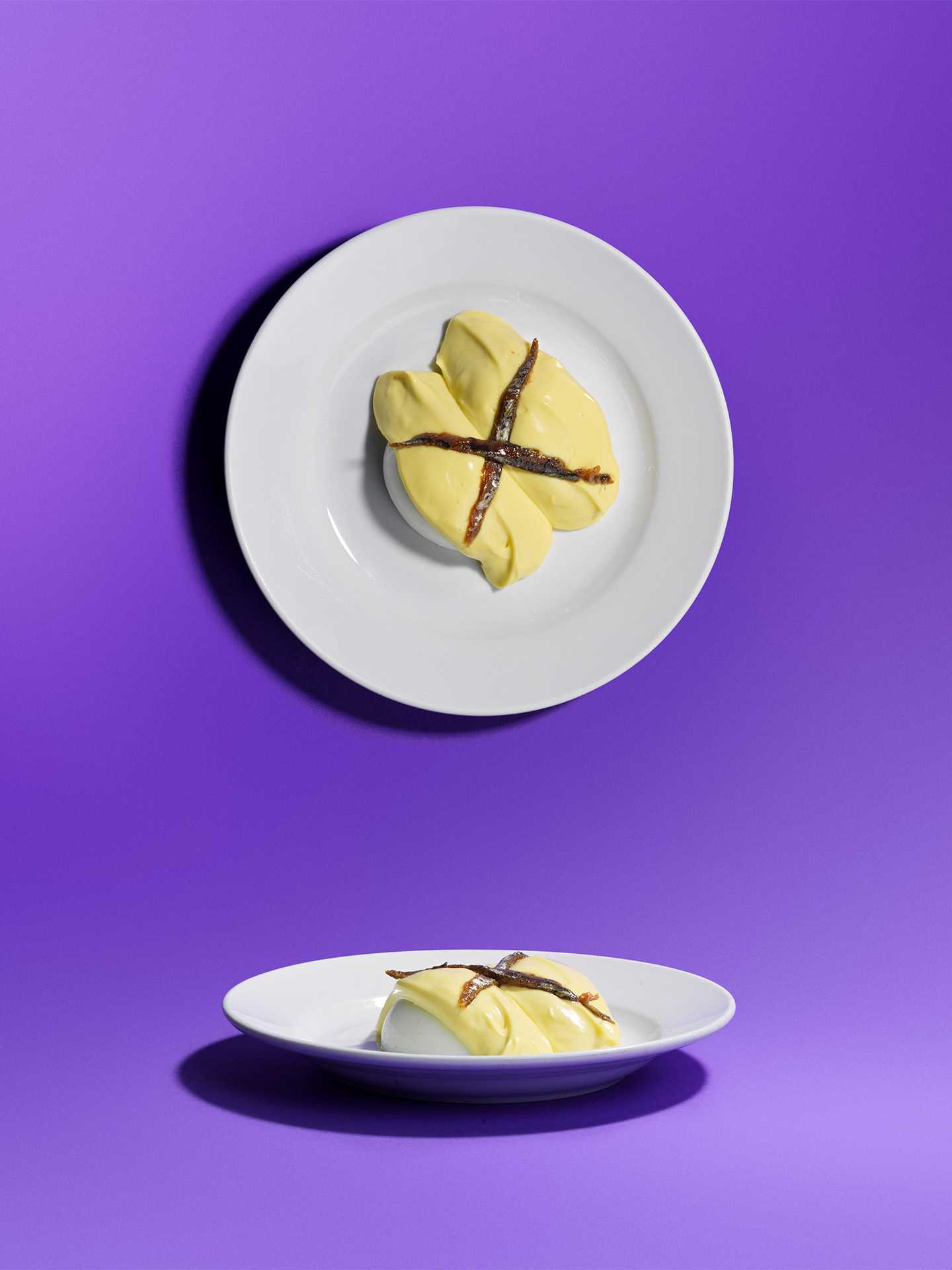
Egg mayonnaise Café Deco “The egg mayo is the only thing that really stubbornly stays on the menu week after week – I never planned it to be that way. I remember going to Paris once and having an egg mayonnaise: they gave you a whole hard-boiled egg that you had to peel, served with a little pot of mayonnaise. I thought, ‘Wow, that’s bold,’ but you can never expect people in the UK to peel their own eggs. This dish has been on the menu since we opened, and it hasn’t changed much – sometimes it’s devilled, but rarely. It’s just a good thing – good quality eggs with very nice mayonnaise. It’s very elegant and the perfect way to start a meal. I think you have to be really careful about the first thing you present to diners, as first impressions matter, and this dish represents us well in that sense.”

Broth with semolina dumplings

Café Deco

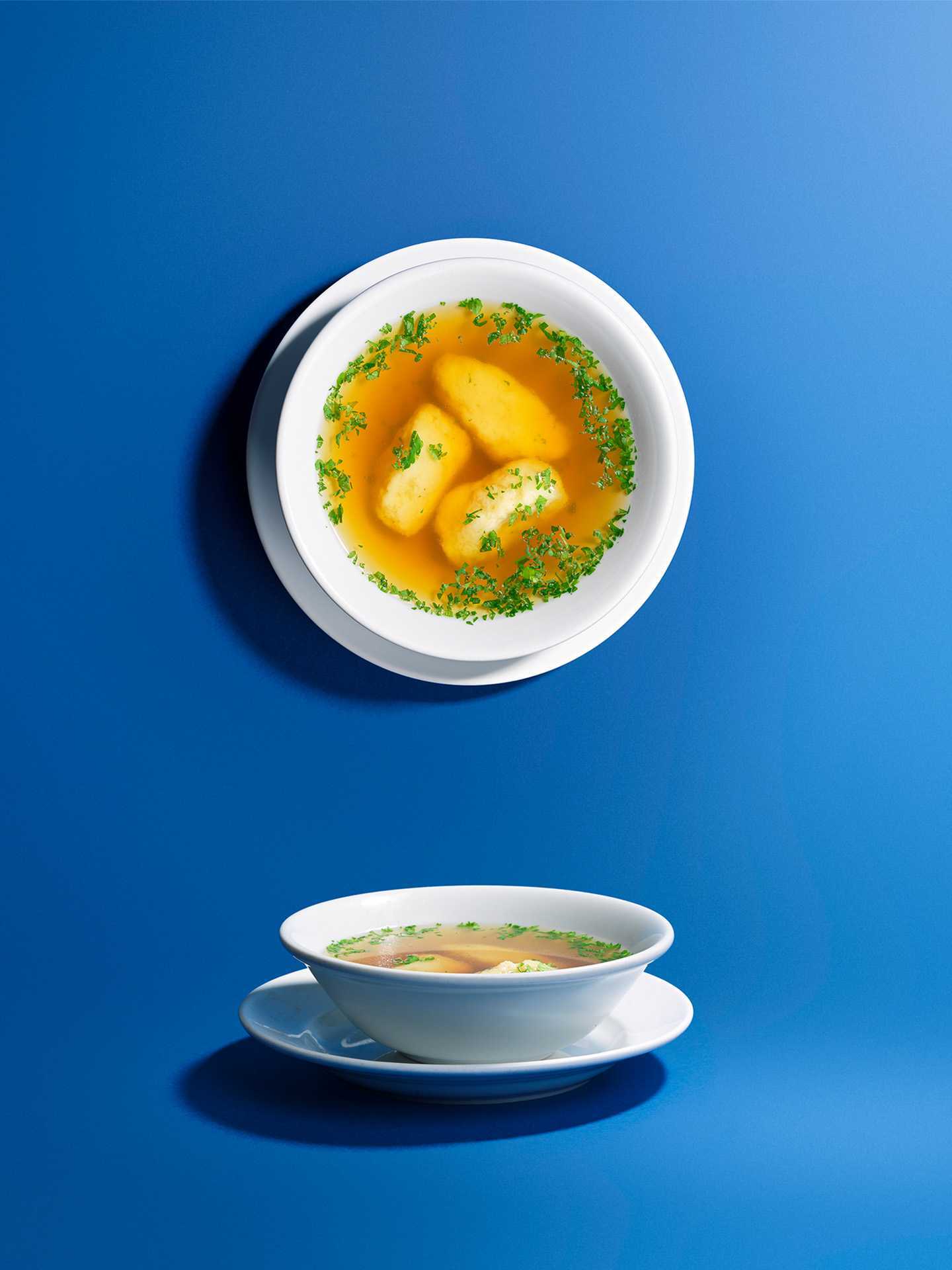
“If I’m asked what my final meal would be, it would be broth and semolina dumplings. It’s something that my mum always made for me growing up – I’m half Serbian, so soup plays a big role in life and family traditions. If I were ill, she would always make me broth with dumplings. It’s such a simple dish, but there’s something incredibly sustaining about it – warm and nourishing.”

Sarma

Rochelle Canteen

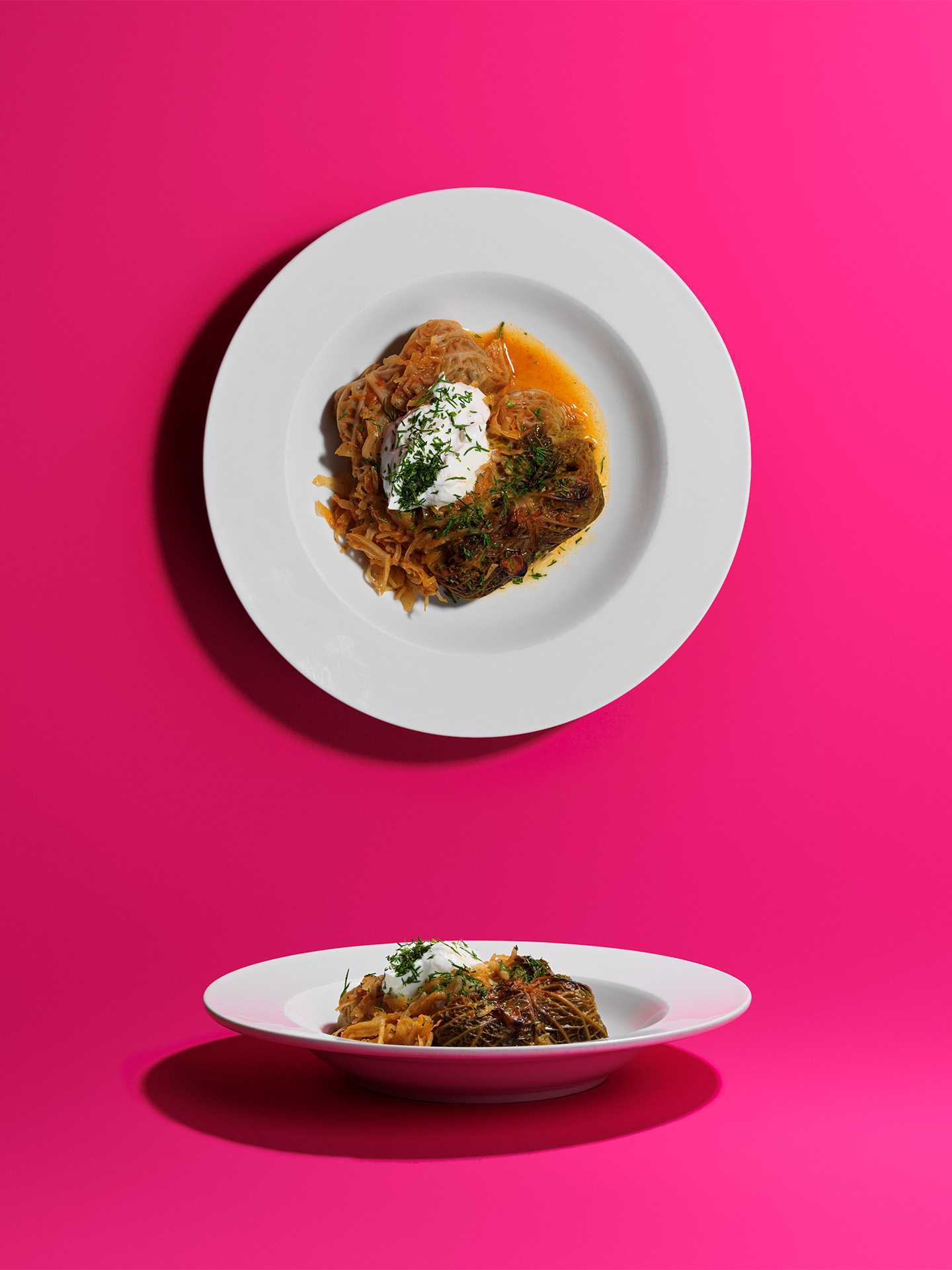
“The third one is sarma, which is Serbian stuffed cabbage leaves. One of the other things about the menu at Café Deco that we try to encourage is what we call Middle European food, because I think it’s unfairly maligned, with people assuming it’s heavy and stodgy, which isn’t the case – it’s so elegant, classic and careful. My mum used to make this a lot when I was growing up, and I used to make it at Rochelle Canteen. It’s traditionally pickled cabbage leaves stuffed with a mix of mince, rice and dill, braised in a lightly thickened stock with paprika, pork ribs or smoky sausage. I didn’t grow up in Serbia, so my mum made a version with savoy cabbage and sauerkraut, which is easier to find. It’s a bit of a labour of love and a treat, and I love that you don’t find it on many menus.”

Side salad

Café Deco

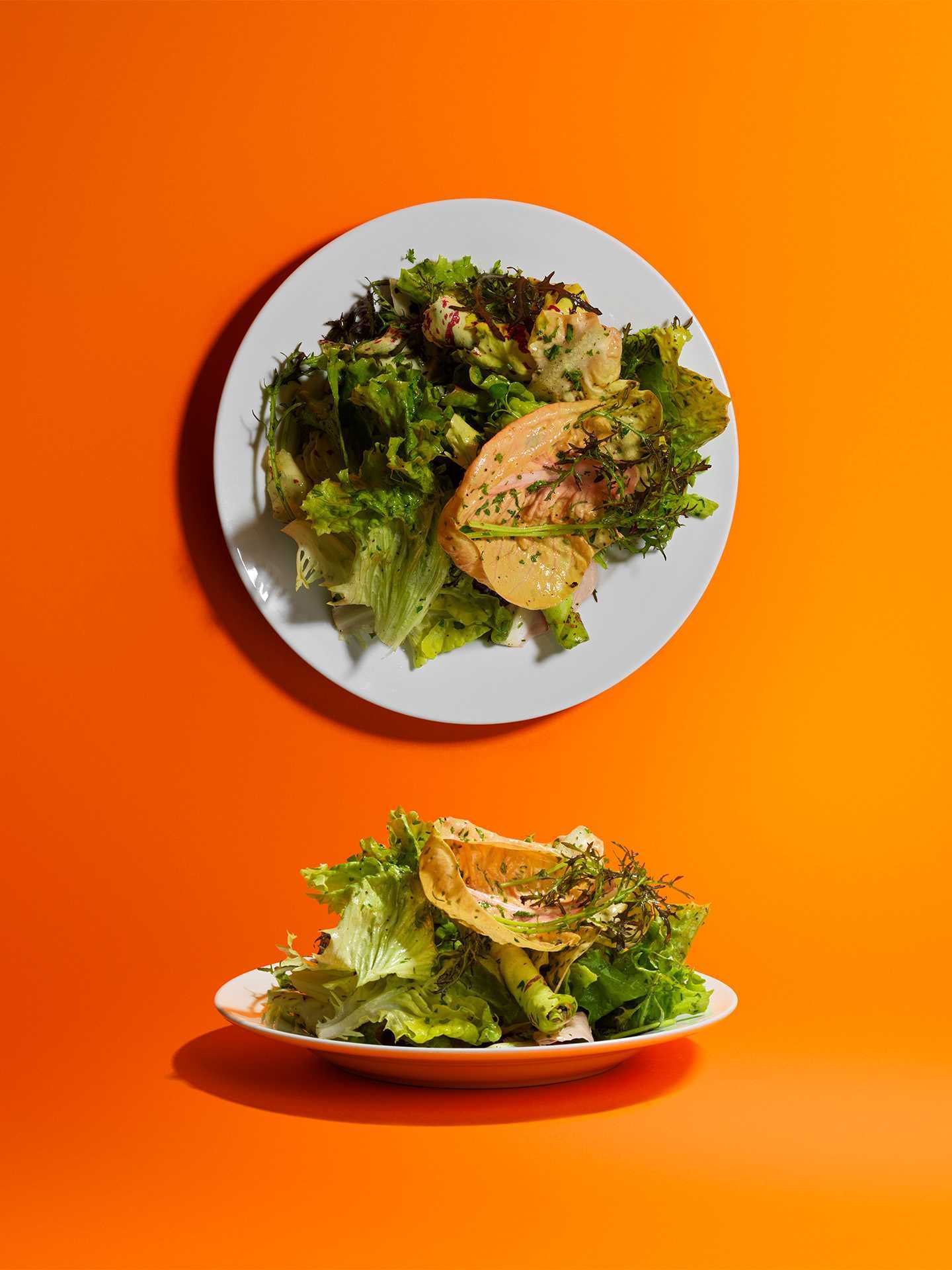
“We get praised for our salads a lot at Café Deco, and what Margot Henderson really taught me at Rochelle Canteen is that salads have to be generous, abundant, and you need to put thought into the leaves. When it’s done well, it’s something that people really notice. Our side salad changes with the seasons – the herbs and leaves depend on the time of year, so it reflects that. In winter, it’s filled with bitter leaves from the UK, and in summer, it’s full of chives, chervil and tarragon. It’s one of the most generous things on the menu, delivered with a lot of care rather than being an afterthought.”

Steamed pudding

Blueprint Café

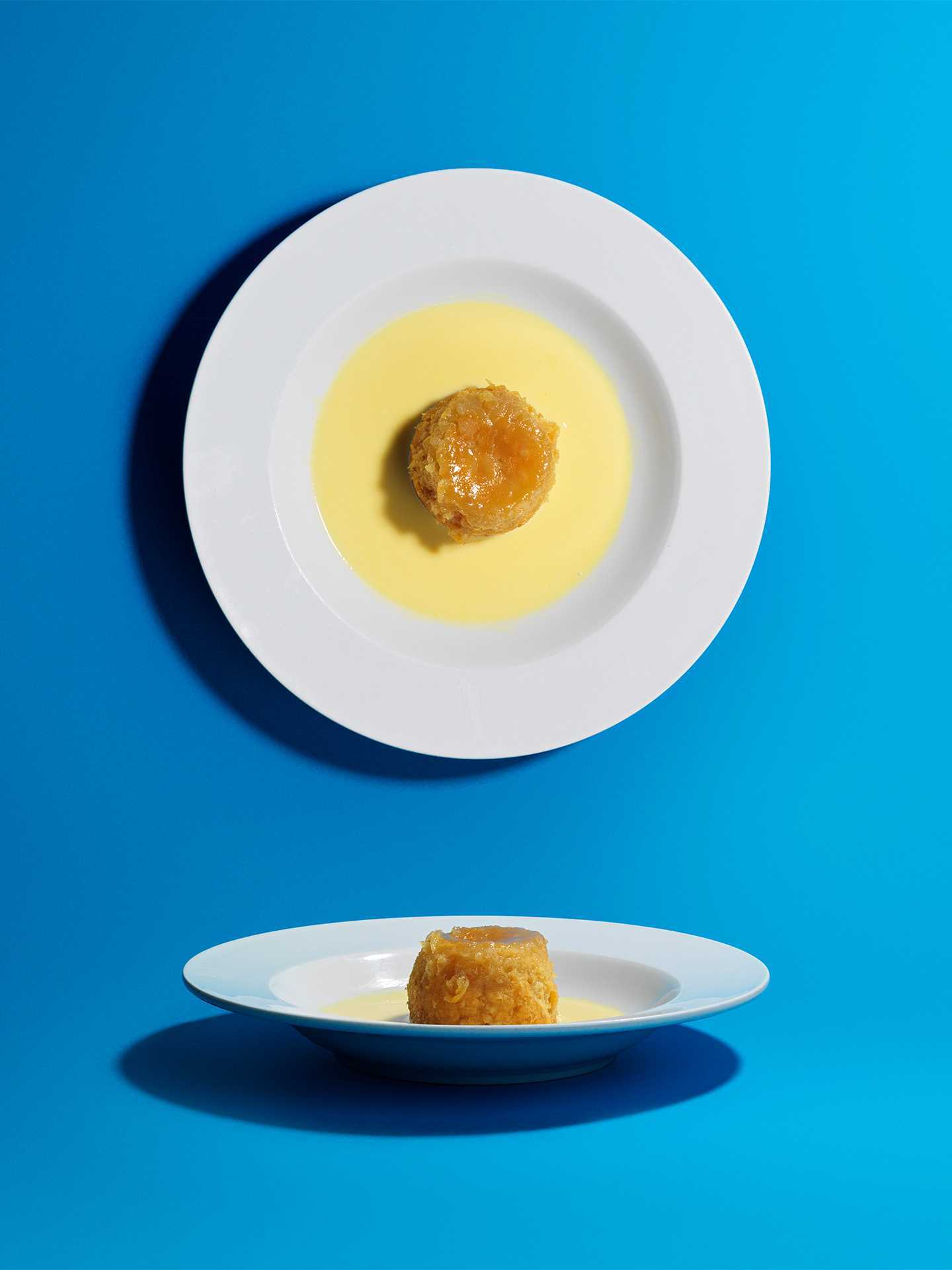
“A steamed pudding is so British, old-fashioned and unapologetic. It is what it is – deeply comforting. It was one of those things I learned from Jeremy Lee – it was a ginger pudding at Blueprint Café. It was something introduced to me early on in my career, and we love to have one on the menu at Café Deco. Some contemporary menus are serious and unfun, and I love how steamed puddings are silly – they’re a treat. You can really play with people’s emotions and nostalgia with a traditional pudding like this.”

Loading