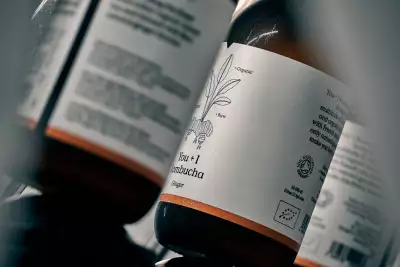
Kombucha has gone from health-shop curiosity to fridge staple in a remarkably short period of time. Tart, gently sparkling and usually made by fermenting sweetened tea with a SCOBY – a living culture of bacteria and yeast – it has found particular favour with people looking for something more interesting than a soft drink and less boozy than a beer or glass of wine.
This September, Soil Association Certification has asked shoppers to look a little more closely at what goes into the bottle.
As part of Organic September, the organisation encouraged people to make one or two simple organic swaps in their weekly shop, with kombucha offering a particularly interesting place to start.
The distinction begins with the ingredients. Certified organic kombucha must be made with organically produced tea and sugar, grown without artificial pesticides and herbicides.

Holas Kombucha
Holas Kombucha
Fermentation relies on a healthy microbial population. Significant evidence suggests that residues from artificial pesticides and herbicides can affect the bacteria and yeast involved in that process, and artificial sweeteners can also disrupt fermentation because the SCOBY cannot digest non-fermentable sugar substitutes.
Organic standards additionally prohibit artificial colours and flavourings, keeping the focus on the tea, culture and ingredients themselves.
There may be benefits further back down the supply chain, too. Research cited by Soil Association Certification has found organically grown crops can contain higher levels of certain polyphenols and antioxidants.
For something as ingredient-led as kombucha, where fermentation is there to coax flavour from tea rather than mask it, that makes the quality of those raw materials worth paying attention to.
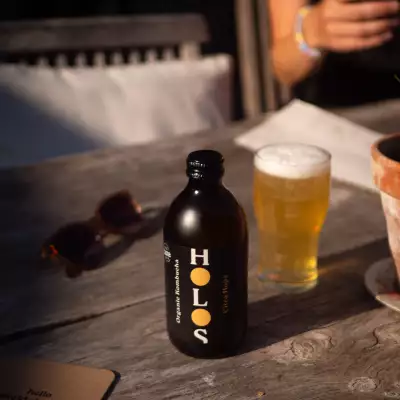
Holas Kombucha
Holas Kombucha
The wider point is not that every item in your basket needs replacing overnight. Organic September is about making manageable choices where they make sense, whether that means switching your tea, vegetables, dairy or the bottle of kombucha you reach for after work.
Organic food and drink is already a regular part of shopping habits for four out of five UK households, and certified organic products are becoming easier to find.
So next time you’re scanning the fridge for something fermented and fizzy, look for the Soil Association Organic logo. It’s a small switch, but one that tells you more about what has, and has not, gone into the bottle.
Find your local organic retailer and learn more about organic standards at soilassociation.org