Brought to you by

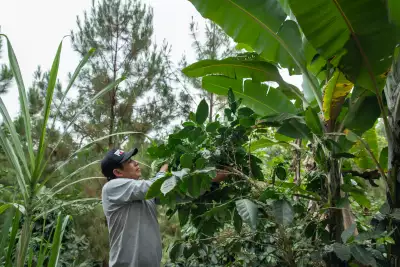
Coffee doesn’t grow itself. People grow it. It’s an obvious point, but one that gets lost in the way coffee is usually sold to us – through talk of origin, altitude and tasting notes, rather than the millions of farmers around the world doing the work. The reality is that around 80% of coffee farmers globally don’t earn enough to afford a basic standard of living. That’s a problem for the families involved and for the future of coffee. When farming is no longer viable, farmers leave, and the crop goes with them.
Cafédirect’s new campaign, People Grow It, is built around this issue. The brand has been buying directly from smallholder farmers for more than 30 years and paying above market prices, but its latest commitment goes further. By 2030, Cafédirect has pledged that every farmer it buys from will have the skills, support and power to earn more than a living income.
A living income isn’t the same as a minimum wage or a Fairtrade price. It’s the net annual income a household needs, in a specific location, to afford a decent standard of living – food, housing, clean water, healthcare, education, transport, and enough left over to cope with unexpected costs. It’s measured at the household level and accounts for all sources of income, not just coffee. It’s also specific to each country, calibrated to local costs.
In practice, Cafédirect’s commitment involves paying at least Living Income Reference Prices where they’re established by 2030, continuing to support producer cooperatives above minimum prices, and working with local experts to understand what a decent income looks like in each origin country. It also includes hired and seasonal workers, who are often left out of these conversations. Fairtrade pricing acts as a safety net; living income goes further.
Very few coffee brands talk openly about living income, partly because it’s harder to measure and harder to claim than a certification logo. Cafédirect is being deliberately careful about how it communicates progress, focusing on actions and commitments rather than over-claiming outcomes. The argument for paying attention is straightforward. Farmers who earn enough can invest in their land, their processing and their next generation. That tends to produce better coffee and a more reliable supply of it. Farmers who can’t, can’t – and over time, that shows up in what’s available to buy. It’s worth knowing where your coffee comes from and who grew it. Cafédirect’s bet is that more drinkers will start to care.
For more information visit cafedirect.co.uk