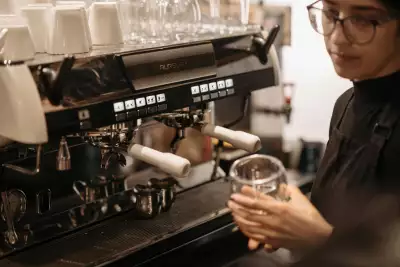
Great coffee used to feel like a café secret, guarded by skilled hands and pricey kit. Now many homes can make drinks that taste consistent from cup to cup. That change comes from quiet upgrades inside modern machines, not just shinier designs. Small improvements in control and automation add up fast.
The biggest shift is simple: more of the tricky work happens automatically. Grinders aim for a steadier particle size, and dosing systems measure coffee with less guesswork. Temperature and pressure controls keep brewing in a narrow, repeatable range. As a result, familiar drinks like espresso and cappuccino feel easier to recreate anywhere.
Why coffee machines now feel predictable
Consistency is the thread running through most new coffee machine features. Better control over grind, dose, temperature, and pressure helps coffee taste closer to what the beans promise. Automation then reduces the small mistakes that can spoil an otherwise good recipe. Together, these changes make daily brewing less of a gamble.
Three settings that shape every cup
Coffee flavour depends on how water pulls taste from ground coffee, which is often called extraction. If the grind is too fine, coffee can taste harsh. If it is too coarse, it can taste thin and sour. Newer built-in grinders and better adjustment steps make it easier to land in the right zone.
More machines also stabilise the basics around the coffee puck, which is the compressed bed of grounds. Many models aim for steady water temperature and reliable pressure, which matters most for espresso-style drinks. For anyone choosing an espresso machine, those controls can reduce the trial and error that used to be normal. That steadier foundation helps the same beans taste similar on Monday and Friday.
Dosing has improved too, even on compact kitchen setups. Instead of eyeballing a scoop, machines can guide portions or measure them automatically. When grind, dose, and heat stay consistent, small recipe tweaks start to make sense. That is when it becomes easier to taste what changed and why.
One-button drinks, many personal tweaks
Automation is no longer only about speed; it also supports personal taste. One-touch drink buttons can still allow changes to strength, cup size, and milk texture, and research supports their usability in academic study. Some machines store user profiles, so different people do not have to reset preferences each time. That is a practical form of personalisation, not a gimmick.
The best systems keep choices simple and visible. A clear screen can show grind level, temperature ranges, and drink size without hiding them in menus. Some machines also remember a preferred recipe for each drink style. That makes it easier to repeat a flat white one day and a longer milk drink the next.
User profiles can save favourite strength and volume settings for different people. Adjustable recipes can make a cappuccino taste bolder without changing the beans. Milk systems can fine-tune foam texture for different styles. One-touch drinks also reduce steps, which cuts small daily mistakes.
Personalisation also helps when beans change. A lighter roast can need a slightly different grind and dose than a darker one. When a machine makes those small adjustments easy, it supports curiosity and learning. That turns a morning routine into a simple craft.
Apps, fast heat, easier cleaning
Smart features often sound like extras, but they can solve real annoyances. App control can help set a wake-up schedule, adjust a recipe, or run a cleaning cycle. Maintenance alerts can also prevent slow build-up that dulls flavour over time. In hard water areas, reminders to descale can protect taste and performance.
Speed matters too, especially on busy mornings. Faster heat-up systems reduce the wait between switching on and pulling a shot. Some machines also manage temperature recovery, so the second drink does not suffer. Those seconds saved can make home coffee feel as convenient as a quick stop on the street.
Cleaning has become more automatic, which helps quality stay steady. Rinsing cycles, removable brew units, and guided cleaning steps reduce the effort needed. For a broader view of how widely coffee is part of daily life in the UK, the British Coffee Association’s coffee facts and figures offer useful context. When care feels manageable, people tend to keep machines in better condition for longer.
At the same time, good coffee still rewards attention. Fresh beans, clean water, and regular cleaning remain the unglamorous essentials. Machines simply lower the barrier, so more people can get a satisfying cup quickly. That makes space for taste to lead the way.
A world of coffee at home
These upgrades do more than polish a kitchen routine: they change what feels normal to drink at home. Espresso-based drinks, smoother long coffees, and milk drinks inspired by café menus become everyday options. Technology also helps people explore beans from different regions with fewer frustrating results. In many kitchens, coffee culture now travels without a plane ticket.
Coffee technology keeps moving, but the goal stays familiar: a better cup with less fuss. Better control of grind, dose, temperature, and pressure underpins that repeatability. The most useful innovations make coffee easier to repeat, not harder to understand. When the basics become reliable, the fun part is choosing what to drink next. The future of home brewing is not louder or flashier: it is simply more dependable.