Brought to you by

Food is more than daily nourishment. It is culture, memory, tradition and creativity served on a plate. Around the world, people gather over meals to mark milestones, share stories and connect. From street food stalls to fine dining restaurants, the industry continues to evolve, blending tradition with innovation.
Today, food culture is shaped by three broad forces: authenticity, presentation and personalisation. Diners want meals that taste good, look appealing and reflect individual preferences. This shift has influenced bakeries, cafés, restaurants and home kitchens alike.
The power of taste and tradition
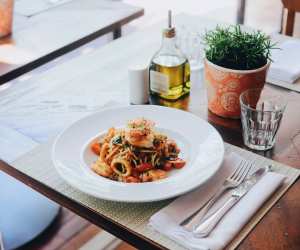
Every cuisine tells a story. Spices, cooking techniques and local ingredients reflect the history and geography of a region. Italian pasta dishes are rooted in simplicity and seasonality. Many east and south-east Asian cuisines balance sweet, salty, sour and spicy elements. Middle Eastern food is often defined by aromatic spices and slow cooking.
As global exchange has intensified, chefs have experimented with fusion cooking, combining flavours and techniques from different traditions. Yet alongside innovation there has been renewed interest in regional recipes and slower, traditional methods. Many consumers value recognisable ingredients and a sense of provenance.
The rise of artisanal baking
Baked goods have undergone a noticeable transformation. Cupcakes, pastries and breads are no longer viewed simply as everyday snacks but as products that can showcase craft and creativity.
Cupcakes in particular have become associated with celebration. Once a relatively simple dessert, they are now customised for birthdays, weddings, corporate events and themed gatherings. Bakers experiment with flavour combinations such as salted caramel, matcha, pistachio and dark chocolate ganache, moving beyond standard vanilla and chocolate.
Presentation has also taken on greater importance.
When food meets design
In the age of social media, appearance plays a significant role. A carefully plated dish or decorated dessert can travel quickly online. Restaurants and bakeries alike have responded by investing in visual detail.
One growing trend in cake decoration is the use of edible images for cupcakes. These allow bakers to print photographs, logos or illustrations onto edible sheets that are placed on icing. The result is a highly detailed finish that sits neatly on top of the cake.
This approach has expanded the possibilities for customisation. Customers may request designs linked to a theme or occasion, whether that is a child’s favourite character, a wedding monogram or a company logo. Personalisation can add emotional resonance as well as visual impact.
Flavour still comes first
Despite the emphasis on aesthetics, taste remains central. A cupcake may look impressive, but if it lacks balance or depth, it is unlikely to leave a lasting impression.
Many bakers combine decorative techniques with attention to ingredients and method. Butter, eggs, flavour extracts and cocoa quality all influence the final result. Fillings such as fruit compote, chocolate mousse or cream cheese can add contrast and complexity.
It is this combination of flavour and presentation that defines much contemporary dessert culture.
The business of food innovation
The global food industry continues to expand. Small baking businesses have found opportunities through online platforms and social media. Custom orders, event catering and specialist products can provide viable niches.
Personalised cakes and cupcakes often command higher prices because they are tailored to a specific occasion. This demand has encouraged investment in equipment, design skills and ingredients.
Sustainability has also become a concern. Many consumers look for locally sourced produce, reduced packaging and efforts to limit waste. Businesses that adopt such practices can build trust and loyalty.
Food as emotional experience
Food carries emotional weight. The smell of freshly baked bread can evoke childhood memories. A decorated cake can mark a birthday or anniversary. A shared meal can strengthen relationships.
Desserts are often associated with celebration, marking weddings, graduations and other milestones. The care involved in preparing and decorating them can signal attention and thoughtfulness.
In this sense, food is not only a product but an experience shaped by context and intention.
The future of food culture
Looking ahead, technology is likely to play a larger role in production and distribution. Digital ordering systems and new kitchen tools may streamline processes. At the same time, interest in craft, heritage and regional identity is unlikely to fade.
Plant-based alternatives, changing dietary preferences and cross-cultural influences will continue to shape menus. Yet the core principle remains straightforward: food must satisfy both appetite and expectation.
The contemporary food landscape is diverse and evolving. From global flavours to visually detailed desserts, it reflects changing tastes and values.
Whether through personalised decoration, careful sourcing or inventive technique, the success of any dish ultimately rests on flavour and the shared experience it creates at the table.