It’s tempting to think of wine faults as a set list of issues that can objectively be described as “wrong”. Sadly, the reality is more complicated. Identifying a wine fault is more like identifying a garden weed. What is a weed? Essentially, any plant you don’t want to be there. Wine faults can be just as subjective.
The rise of ‘natural’ wine has led producers to use fewer preservatives, making the wines more susceptible to faults. Wines are being poured in corners of East London that many seasoned wine pros would immediately reject as faulty, yet drinkers relish them. Who’s right? Eventually, whether a wine is faulty becomes more of a philosophical question than a technical one.
Context is key. Understanding the intended style based on the region, local tradition, or even the specific producer is the only way to really know what is right and what isn’t. So, hit the books and the bottles if you want to become a fault-detecting machine. In the meantime, here are some tips.
Cork taint
The objective fault
General consensus states that one fault should not exist in wine: cork taint, or ‘corked’ wine. TCA (trichloroanisole) is responsible for cork taint, a compound that develops in natural corks and seems to affect approximately 1% of wines sealed this way. Wines sealed with other closures are much less likely to be corked, but it’s not impossible. Look for aromas of swimming pools or wet dog. You’ll need to check the wine to confirm – just the cork isn’t enough.
Note: a wine isn’t corked if it has pieces of cork floating in it (just fish them out), nor if it’s been left open too long. Corked wine looks exactly the same as non-corked wine and relates only to TCA, not other issues.
Light strike
Wine storage fault
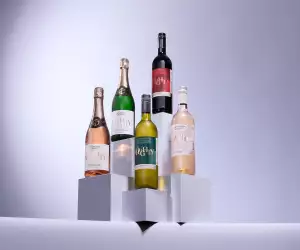
Both natural and artificial light can damage wine. The paler the glass, the more vulnerable the wine. Clear glass, often used for rosé or sparkling wine, is worst affected, but green glass also doesn’t protect the wine very well. Light can mute fruity and floral aromas, and eventually imbue a wine with a sulphurous, cabbagey smell. Avoid storing wines in bright light, in shop windows, or outdoors.
Haze and sediment
Red herrings
Most faults are invisible. Many high-quality wines form a sludgy or crystalline sediment over time; it just means the wine hasn’t been heavily manipulated before bottling. If your wine is a touch hazy, that is nothing to immediately worry about. Faults can only be detected by smelling and tasting.
Other subjective faults
Brettanomyces
- What: A spoilage yeast that mostly affects red wines
- Feature: Wine is savoury, earthy and ‘terroir-driven’
- Fault: Smells like barnyard and sweat
Volatile acidity
- What: Excessive acetic acid caused by a combination of bacteria and oxygen
- Feature: A lifted nose or ‘balsamic’ profile
- Fault: Wine is vinegary, pungent and sharp
Oxidation
- What: A wine that has not been protected enough from oxygen, either during production or by being left open too long
- Feature: Wine displays a nutty and honeyed complexity
- Fault: Prematurely brown, bruised, lacking in freshness
Mousiness
- What: A less understood fault; affected wine reacts with saliva to release a ‘mouse cage’ aroma (this means you can’t smell it, you can only taste it)
- Feature: An oaty, ‘popcorn’ finish
- Fault: A stale, sweaty aftertaste
I think my wine is faulty. Can I send it back?
Absolutely. In restaurants, it’s worth checking your wine whether or not you are ceremoniously offered a sample by a sommelier. Mention any problems as soon as you can. Some faults creep up on you, and the pressure of validating a wine under the watchful eye of your server can be tricky. If you take a few sips and think something is wrong, explain to your server. The faults mentioned here won’t fade away, so decanting or swirling won’t help.
Be mindful that if you decide to send a bottle back without much left, you should expect to be charged for it.
Good wine shops will allow you to return the bottle. If you bring the bottle back to the retailer (with wine inside) and explain, they may offer a replacement or credit.
Most wine faults sit on a spectrum based on your tolerance, your personal preference and the intended style. The more you taste, the more confident you will feel in knowing what styles of wine you may prefer, what you’d rather avoid and when you should reject it. Keep sipping!
Find out more about WSET Wine School at wsetglobal.com