Brought to you by

Ilsa Bal MS is one of the world’s top sommeliers, with over two decades of experience in fine dining. He earned the title of Best Sommelier of Europe in 2008 and master sommelier certification in 2009. In 2019 he founded London’s two-Michelin-starred restaurant Trivet with chef Jonny Lake in Bermondsey, and opened Labombe by Trivet this September in Mayfair.
A longtime champion of Tokaji Aszú – the legendary sweet wine of Hungary – Bal shares his insights on what makes this wine so special and how best to enjoy it this festive season.

Ilsa Bal
Foodism: As a sommelier, how would you describe the style, structure and profile of Tokaji Aszú – and what makes it so distinctive in the wine world?
Isa Bal: Tokaji Aszú is a legendary sweet wine from Hungary – the jewel of the Tokaj region. It’s made from botrytis-affected (noble rot) grapes that look like shrivelled berries but yield luscious, concentrated juice. The result is a deep golden wine that is sweet yet balanced by vibrant acidity, so it never tastes cloying.
I’d describe its flavours as layers of ripe apricot, orange marmalade, honey, and often a hint of saffron – a beguiling combination of fruit and floral notes. In the wider wine world, Tokaji Aszú is a benchmark dessert wine with centuries of acclaim, on par with the likes of Sauternes, though it has its own unmistakable character.
F:As someone who has worked with Tokaji Aszú on restaurant lists, what is your connection to this wine, and what do you think makes it so special?

Tokaji Aszú with lobster in a spicy nage at Trivet Restaurant
IB: I’ve worked with Tokaji Aszú for years, and it’s a wine I’m very fond of. I often served it by the glass to introduce guests to it, and I have yet to find anyone who didn’t love it once they tried – it never fails to wow. From a sommelier’s perspective, it’s special for its rich aromatic profile (ripe fruit, floral, and spice notes) but also its story and versatility. Suggesting a glass of sweet Tokaji – whether to finish a meal or even alongside a savoury course – often turns out to be a highlight of the dining experience.
F: Tokaji Aszú especially shines at Christmas. Why do you think it’s particularly suited to festive drinking?
IB:Tokaji Aszú has a naturally festive character, making it a perfect wine for Christmas. Its flavour profile – dried apricot, candied orange, warm spices – mirrors many holiday treats. Plus, you can enjoy it at multiple points in the meal, not just with dessert. It’s lovely as an aperitif with some salty canapés (the sweet-salty contrast is delightful). It can even pair with the main course – for example, with roast turkey and cranberry or glazed ham – where the wine’s sweetness elevates those flavours.
And of course it’s gorgeous with dessert or a cheese board to finish. Honestly, Tokaji Aszú brings a sense of occasion whenever it’s poured – it even pairs perfectly with the bitterness of Brussels sprouts, making them more tolerable!

Trivet exterior
F: Tokaji Aszú is famous for its versatility at the table. What food pairings do you recommend across savoury dishes, cheeses, and desserts?
IB:For savoury dishes, it’s wonderful with charcuterie and salty cured meats – especially mangalitza ham if you can find it. It also stands up well to smoked fish, its richness matching the intensity of smoked salmon blinis or smoked mackerel pâté on toast. It pairs beautifully with fuller mains like duck or pork belly, particularly when there’s a sweet glaze or a fruit-driven element such as apple sauce. The wine’s sweetness and acidity even stand up to a little spice or smokiness.
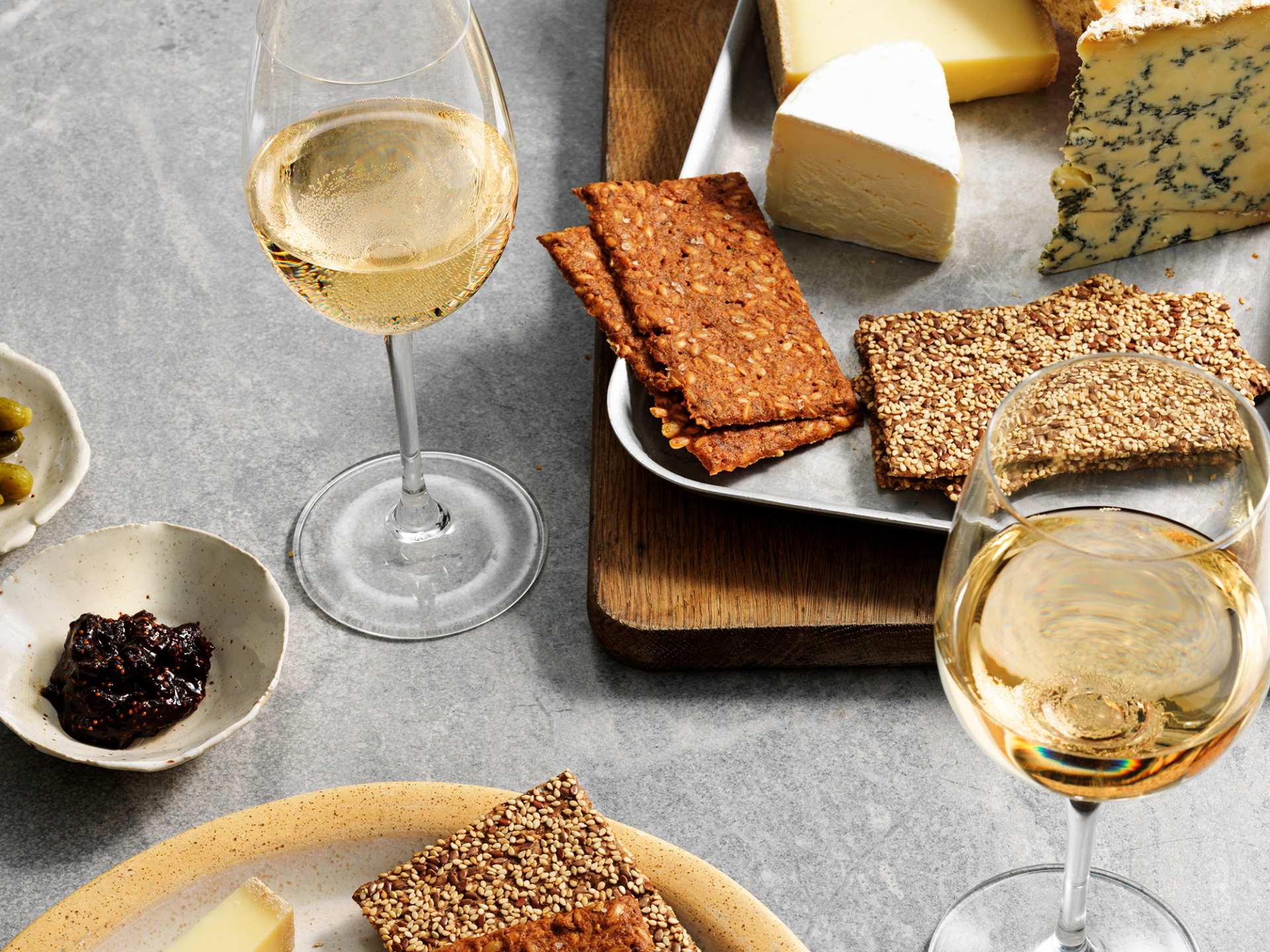
Tokaji Aszú is also brilliant with cheese, especially blue cheeses. A salty stilton or roquefort is heavenly when the wine’s apricot-like sweetness balances the cheese’s pungency. For desserts, fruit and nut-based treats are ideal. Think apple tart, apricot cake, nut torte, or even Christmas pudding – the wine’s honeyed, citrusy notes echo those flavours. I’ve even enjoyed it with a bit of dark chocolate, where the sweet-bitter contrast works beautifully. The bottom line is that Aszú’s bright acidity keeps it fresh, so it can pair with all sorts of foods – it’s much more versatile than people expect.
Why Tokaji Aszú is perfect for the Christmas table

Caroline Gilby MW in Tokaj
Hungary’s Tokaj region produces some of the most remarkable sweet wines on the planet. Master of Wine Caroline Gilby explains what makes Aszú such a unique drop, from its hand-harvested berries to its vibrant acidity, recommending ten exceptional bottles available in the United Kingdom, which are ideal for toasting the year and the festive season
Caroline Gilby is a Master of Wine with a long-standing passion for Hungary, a country she has been visiting since the early 1990s. An award-winning writer and member of the Tokaj Confrérie, she became the only foreigner to receive the title “Friend of Hungarian Winemakers” in 2018. When she’s not tasting, she enjoys a run through the region’s vineyards.
“I adore Tokaji in all its forms, whether sparkling, sweet or dry. It’s an incredible region, dotted with extinct volcanoes and underscored with deep tunnels that make perfect cellars for ageing wine. There’s no doubt in my mind that Tokaji Aszú is the world’s best sweet wine,” says Gilby. “These wines are produced from hand-harvested berries called Aszú in Hungarian. These have noble rot, helped by humid foggy mornings, and are incredibly shrivelled thanks to sunny breezy afternoons.”
“This laborious process gives wines with incredible depth and luscious sweetness, yet always vibrant, ethereal and refreshing – never sticky or cloying. That makes these wines incredible for food matching and essential for your Christmas table.”
A vegetarian, Caroline loves pairing lighter 5 puttonyos Aszú wines with dishes like wild mushroom tart, miso-glazed aubergine, and nut-roast wellington, along with young cheeses. Sweeter, richer 6 puttonyos styles are perfect with manchego or old gouda, and blue cheese and Tokaji Aszú is a perfect match. Tokaji Aszú shines with festive treats – hazelnut yule logs, rich Christmas pudding, mince pies and booze-soaked Christmas cake. Here, she shares her ten favourite sweet Tokaji bottles available in the UK this festive season.
Get a head start on the holiday cheer
Before the Christmas rush hits, treat yourself to a touch of luxury. Raise a glass of Tokaji Aszú on December 10 and join the world in celebrating International Aszú Day, the day dedicated to Tokaj’s iconic ‘wine of kings’.
Which wines to drink at the Christmas table?
Royal Tokaji Gold Label 6 Puttonyos 2017
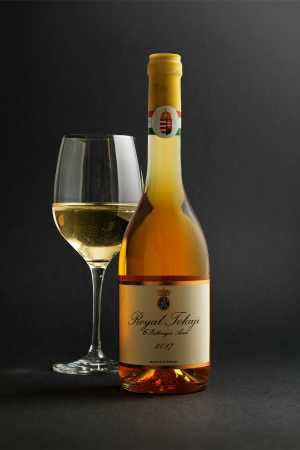
Royal Tokaji Gold Label 6 Puttonyos 2017
From one of the decade’s best vintages, this is youthful yet already gloriously drinkable. Fruity, bright and vibrant, with notes of spiced pear, lemon curd, quince and orange zest, all backed by beautifully uplifting acidity and a velvety, lingering finish.
Majestic; £55
Füleky, Tokaji Aszú 6 Puttonyos 2013
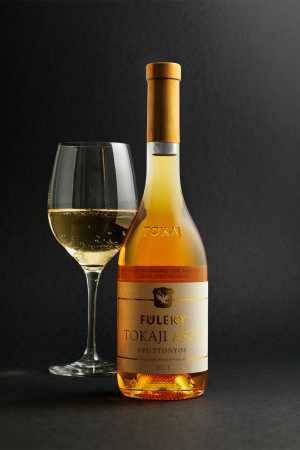
Füleky, Tokaji Aszú 6 Puttonyos 2013
A superb Aszú from a magical vintage. Beautifully expressive on the nose, with apricot, peach, mirabelle and honeysuckle. The palate is velvety, luscious and wonderfully elegant, stacked with lingering layers of peach, mock-orange, mango and sultana.
Amathus Drinks; £59
Chateau Dereszla Aszú 5 Puttonyos 2019
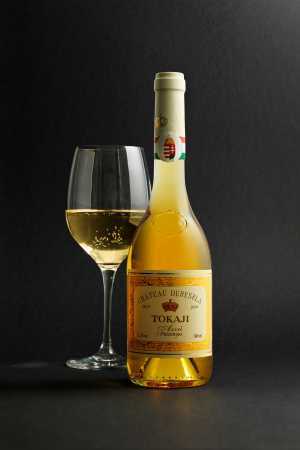
Chateau Dereszla Aszú 5 Puttonyos 2019
A lovely, clean expression of the style, showcasing whistle-fresh noble rot. Dried apricot, ripe, peach and nectarine meet fragrant honeysuckle on the nose. Supple, gently sweet and generously fruity, with juicy, energetic acidity.
Virgin Wines; £37.49, Armit Wines; £41.15, Wine Direct; £37.35
Hétszőlő Tokaji Aszú 5 Puttonyos 2010
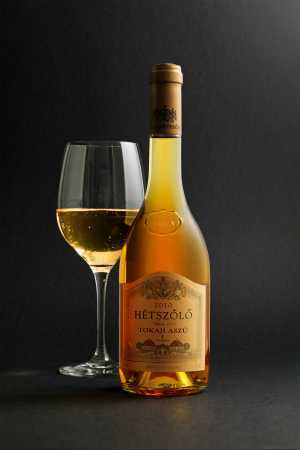
Hétszőlő Tokaji Aszú 5 Puttonyos 2010
A rare chance to enjoy a stunning 15-year-old wine from a cold, wet vintage – saved by Hétszőlő’s lighter soils. Complex, with flavours of peach crumble, dried mango, chestnut honey and dried fig, all lifted by a bright core of freshness.
Les Caves de Pyrène, Millésima; £41.67 - £62.57
Sauska Tokaji Aszú 5 Puttonyos 2019
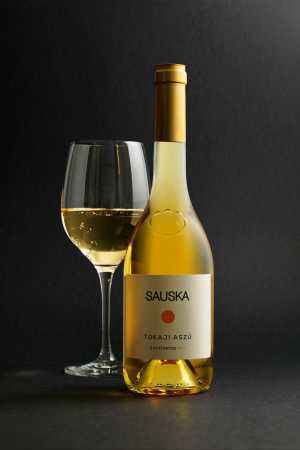
Sauska Tokaji Aszú 5 Puttonyos 2019
A benchmark Five Puttonyos expression where sweetness and acidity shine in perfect balance. Fruit-forward and poised, with apple blossom, white peach, pear and sultana, plus mouthwatering freshness.
Hedonism, The Fine Wine Co, The Great Wine Co; £30.49 - £39.50
Patricius Tokaji Aszú 6 Puttonyos 2017
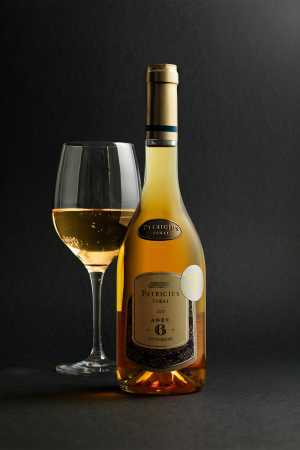
Patricius Tokaji Aszú 6 Puttonyos 2017
A brilliant example from one of the best recent vintages. With aromas of peaches, quince and orange blossom, it opens into flavours of spiced peach and crème brûlée, all supported by silky, seamless acidity.
Eton Vintners, Great Wines Direct, NY Wines, The Great Wine Co; £49.95 - £56.50
The best of the rest
Disznókő 1413 Tokaji Édes Szamorodni 2021
A “baby sister” to Tokaji Aszú, made from less-shrivelled grapes and aged for a shorter period. Expect inviting aromas of poached pear, stone fruit and acacia honey, leading to a silky-smooth, gently sweet palate supported by crisp, refreshing acidity.
Waitrose; £22.50
Mád Moser MM555 6 Puttonyos 2013
Another excellent standout from Hungary’s wonderful 2013 vintage. Glowing golden amber in the glass, with aromas of barley sugar, dried apricot and candied orange peel. Rich, complex and still remarkably fresh, with an almost endless finish.
The Fine Wine Company; £97.99
Szepsy Tokaji Aszú 6 Puttonyos 2017
Inviting, complex and elegant all at once, with spine-tingling freshness balancing luscious sweetness. Notes of tropical fruit, apricot, dried peach, orange zest and poached quince linger beautifully.
Oxford Wine Company; £164.95, 9 Elms Wines, AG Wines, Hedonism; £160 - £190
Kikelet Tokaji Aszú 6 Puttonyos 2019
Delightful Tokaji from a tiny estate belonging to a French woman and her Hungarian husband. Inviting and expressive with notes of apricot, peach juice, orange blossom and acacia honey, balanced by an amazing freshness and a long silken finish.
Wanderlust Wine; £86